
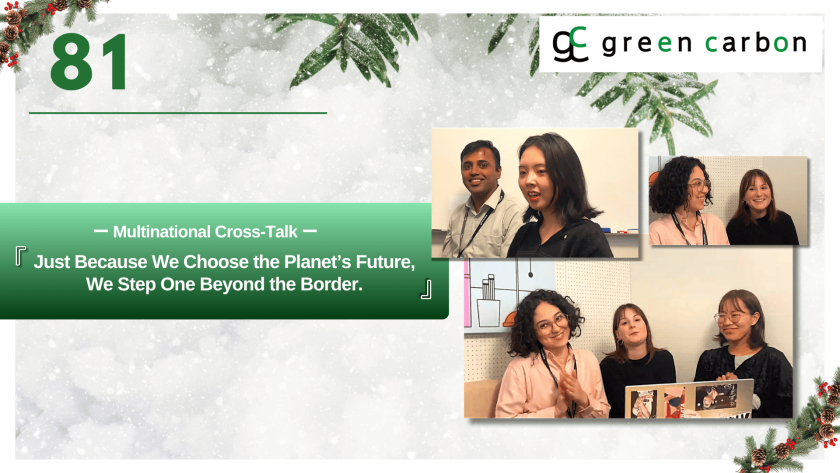
【Green Carbon Speaks — A Multinational Cross-Talk on Diversity and Purpose】
Should you wish to move beyond borders and sectors—aspiring to deliver a truly essential, worldwide impact on global issues through your professional life—
Green Carbon is where people from all over the world gather to turn that aspiration into a shared mission.
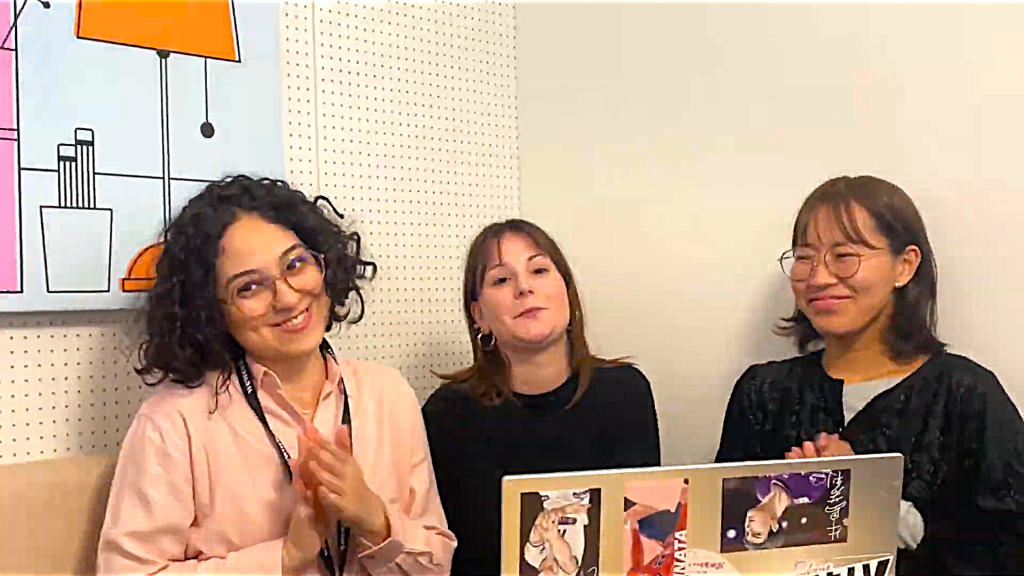
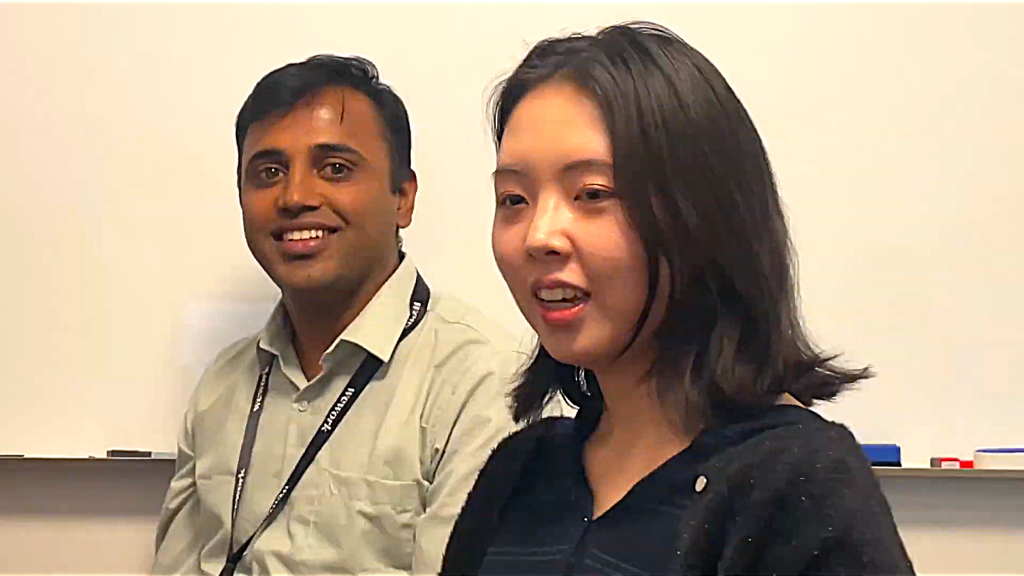
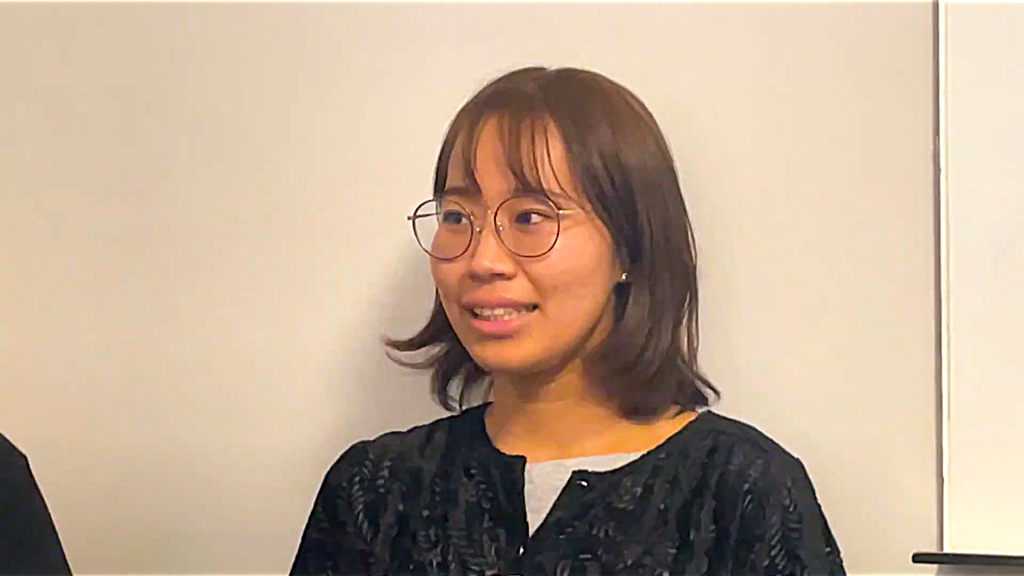
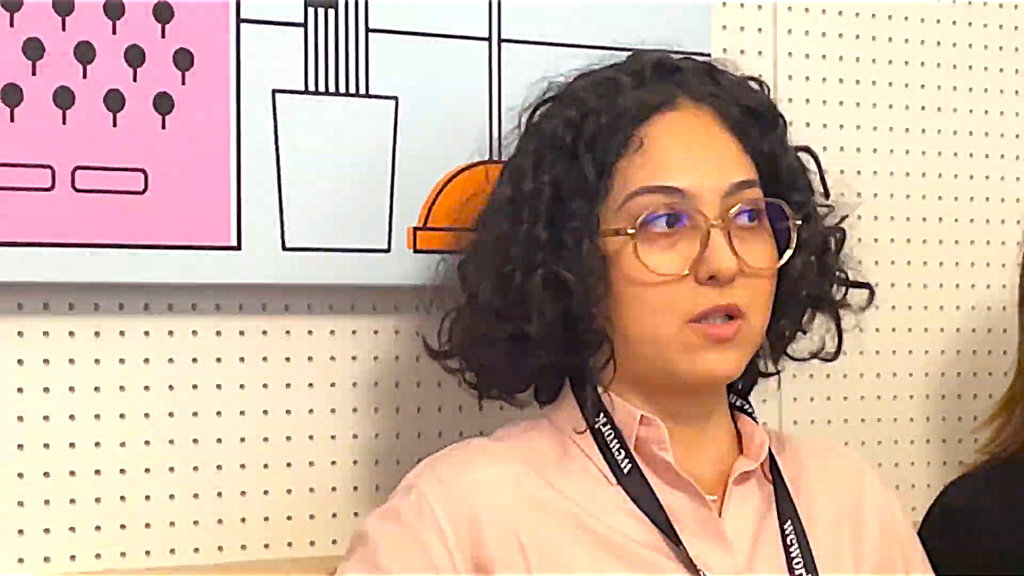
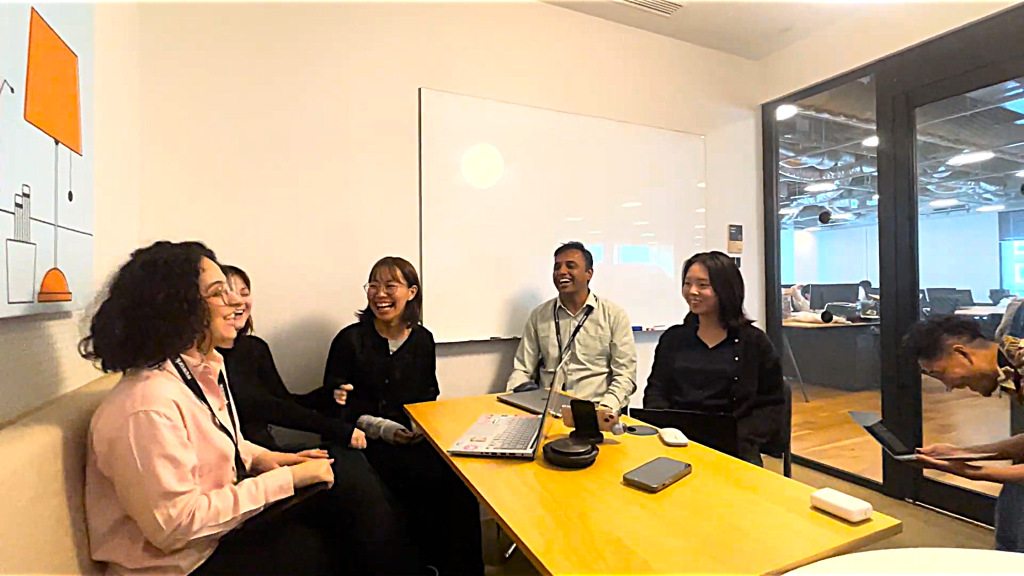
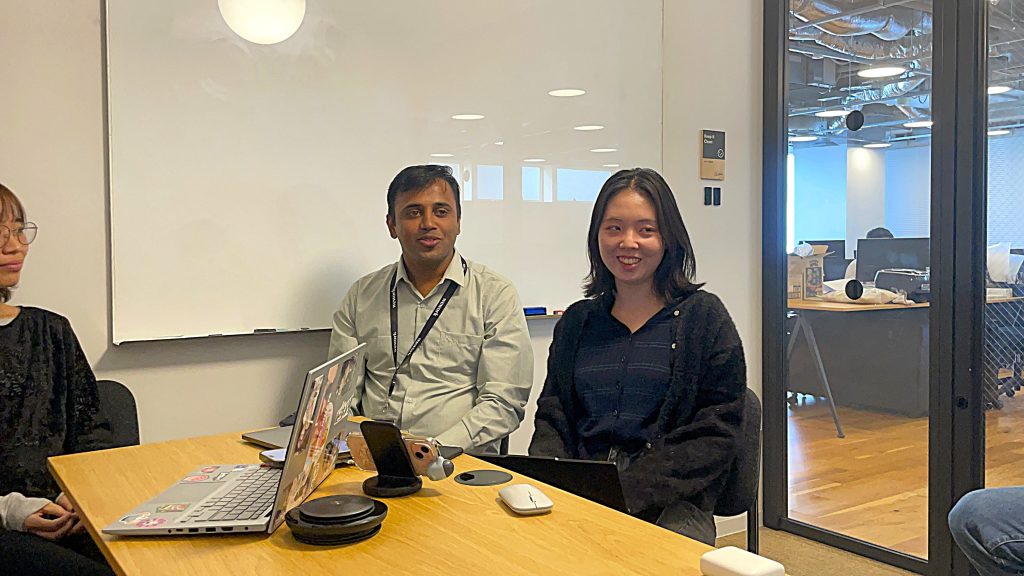
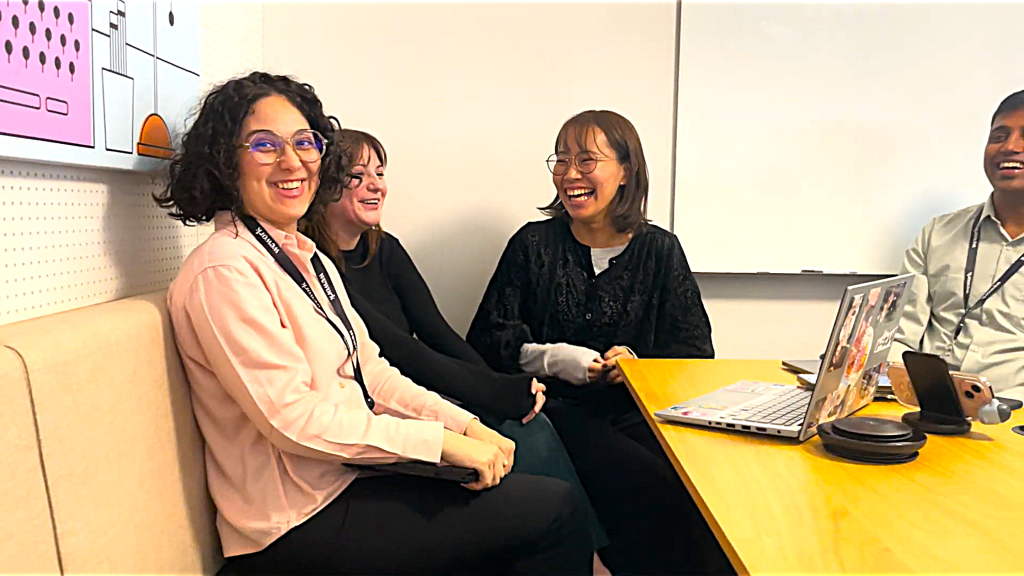
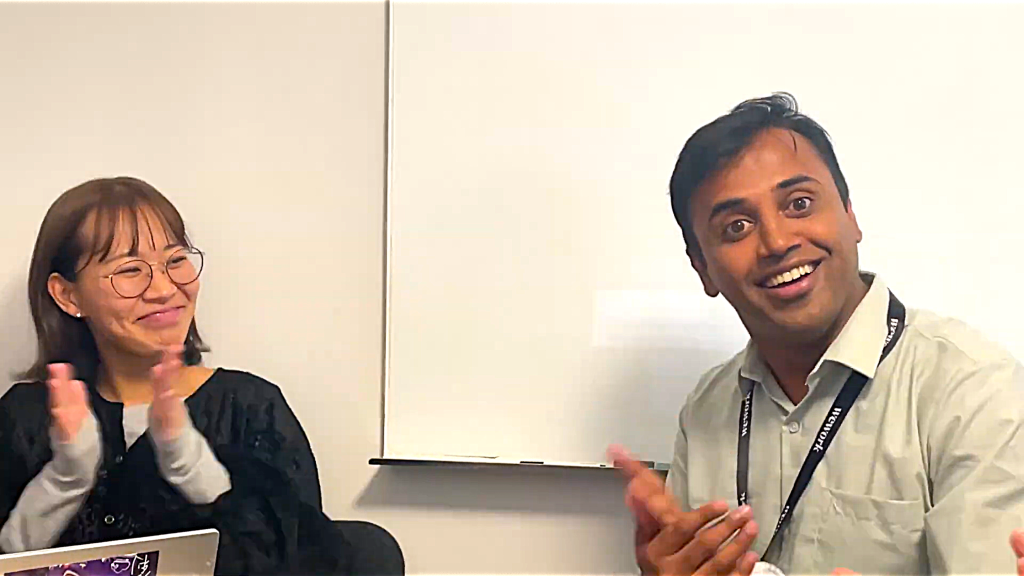
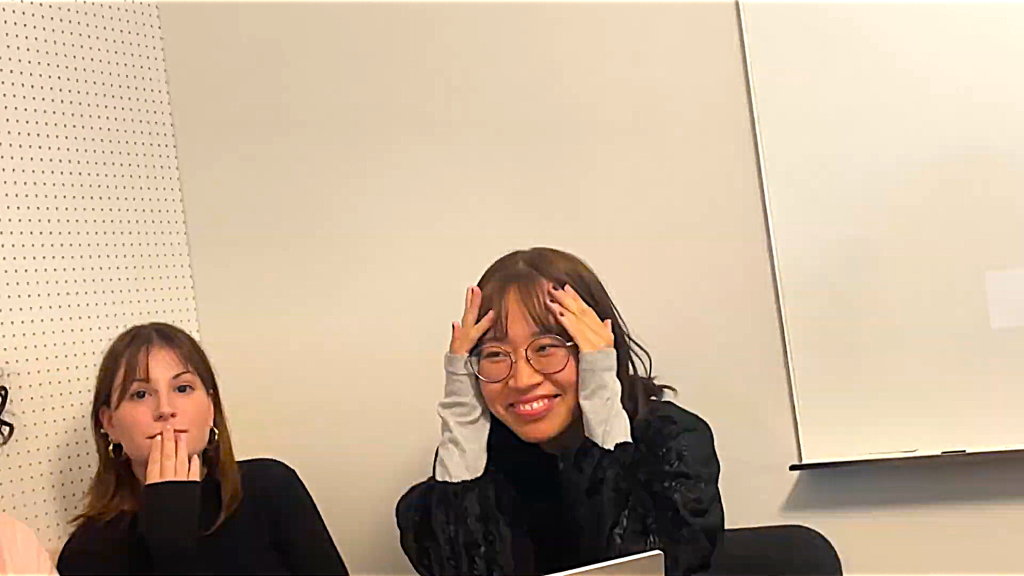
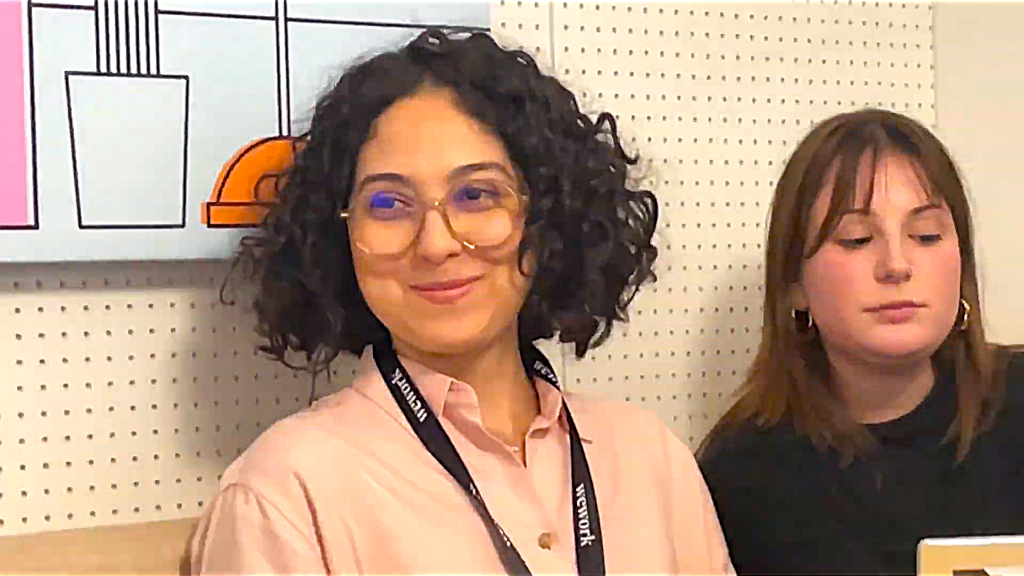
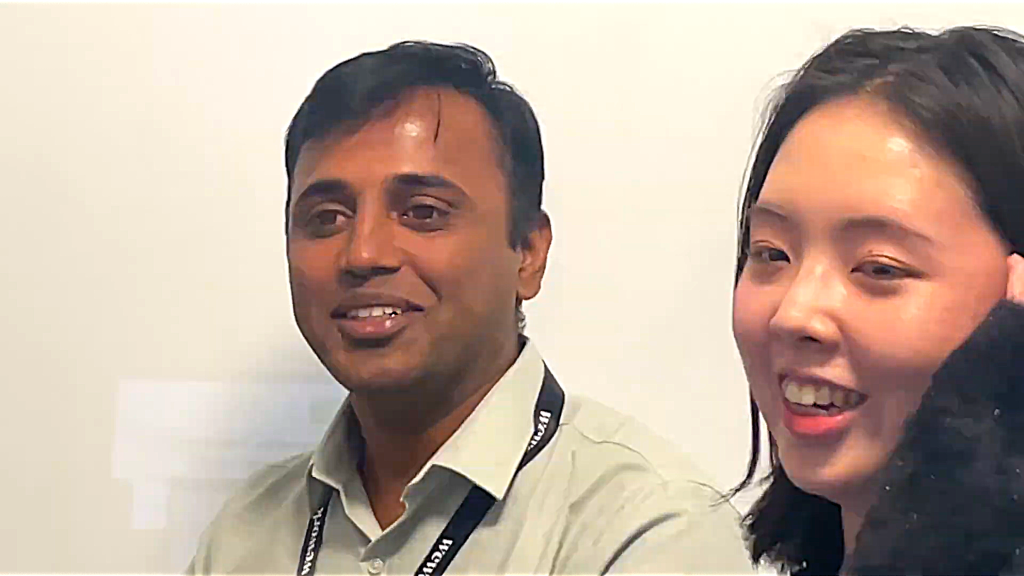
From across our team, five members from Tunisia, France, India, and Japan—Farah, Eléa, Ayumi, Deepak, and Akane—came together for a cross-talk only possible at a place like Green Carbon. Through differences in nationality and culture, they explored the values we share and the power of working together.
By tracing their “roots”, “turning points”, “what drives them now”, and “messages to the next generation”, what emerges is a portrait of diverse beginnings and a clearly shared sense of responsibility for planet-scale issues—and of Green Carbon as a rare platform where people can take them on together.
————————
Introduction
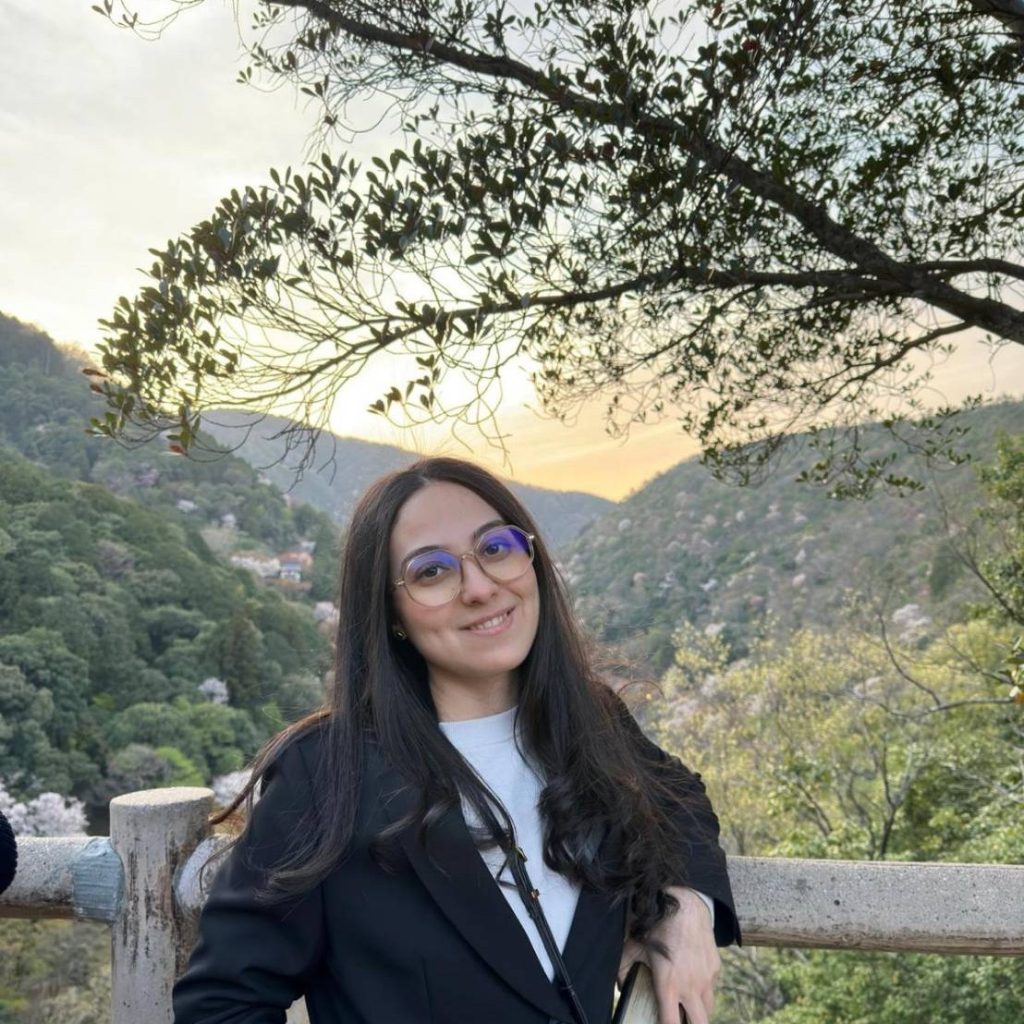
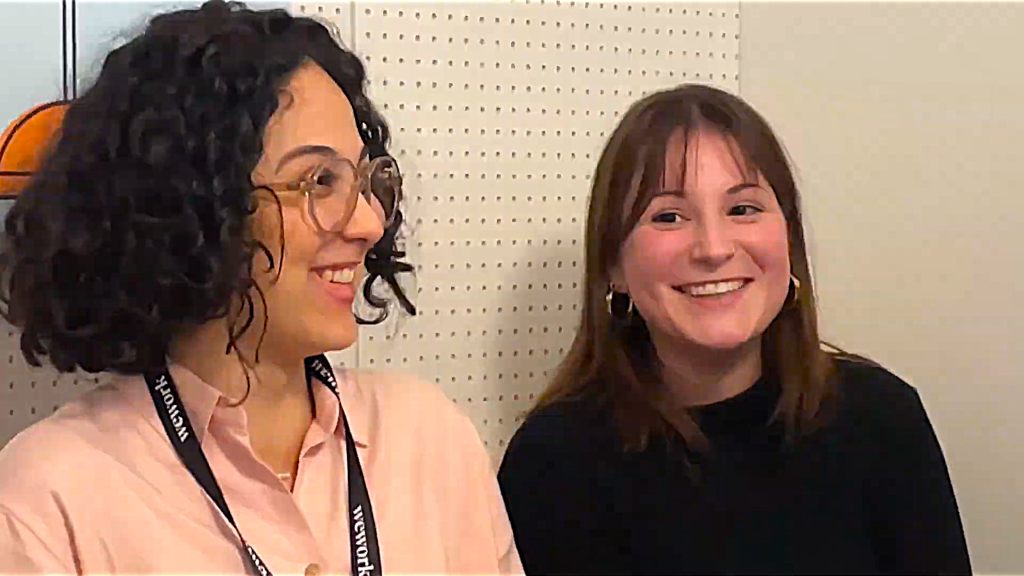
Farah Zribi
From: Tunisia
Division / Role: Overseas Division— Business Development & Research Team
Field of Study: Business Administration(International Trade)
Interview: https://green-carbon.co.jp/en/envol51interview/
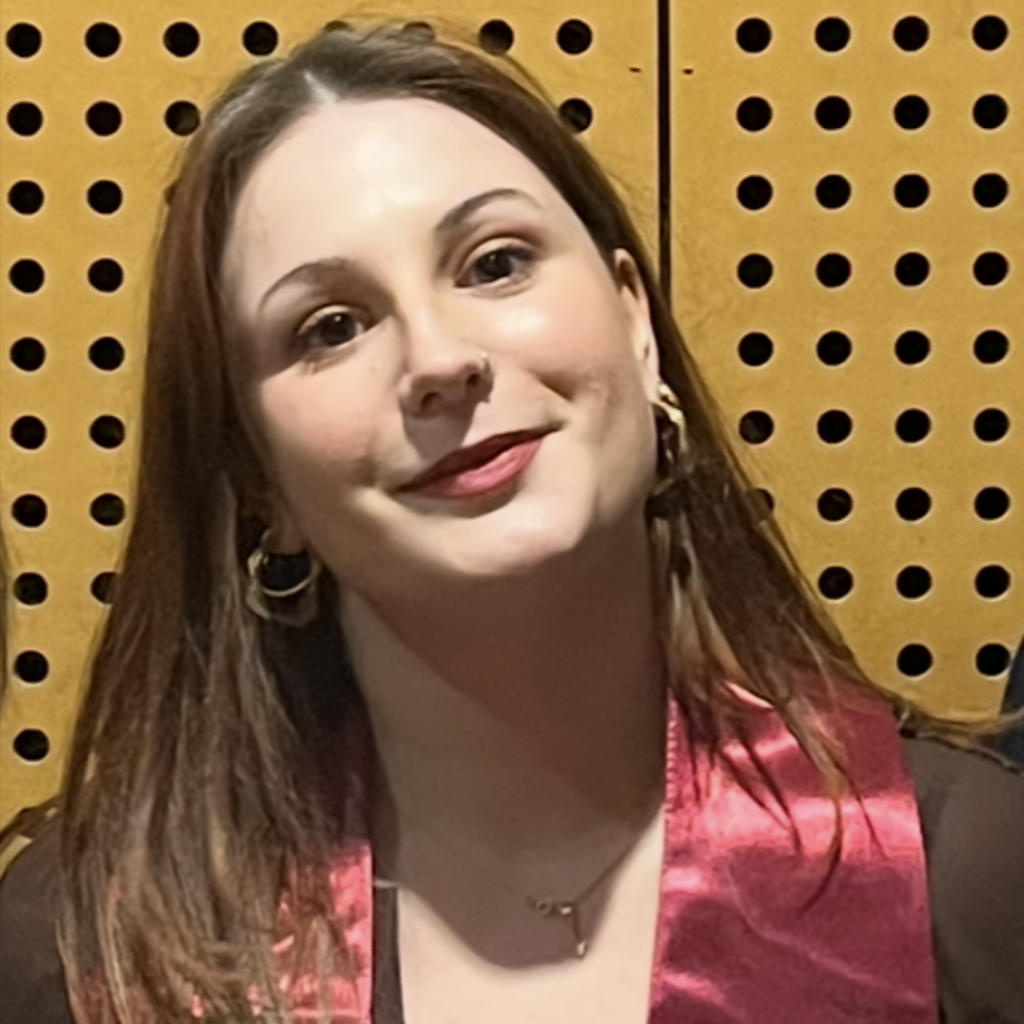
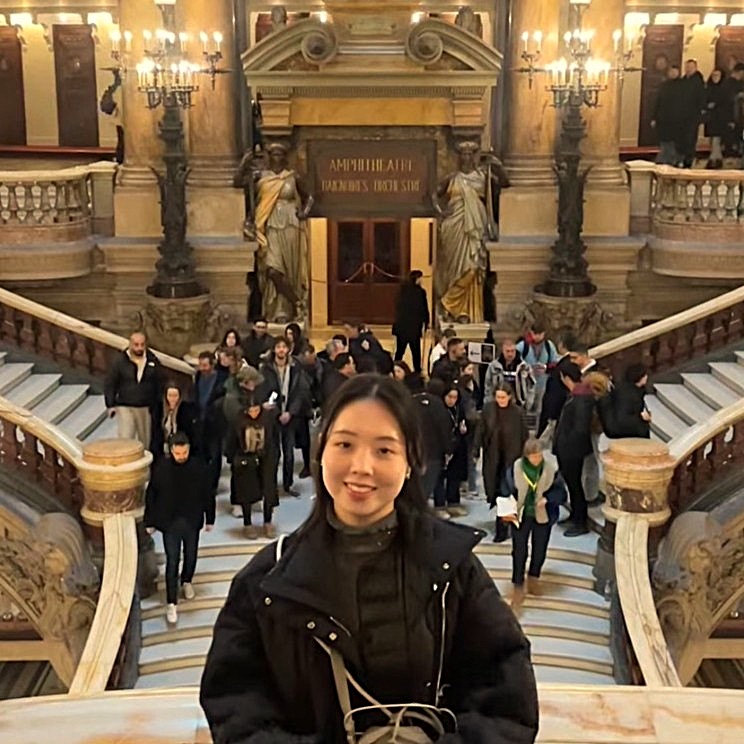
Eléa Salomé Thiais
From: France
Division / Role: Overseas Division — Research Team(Intern)
Field of Study: Economics(Sustainable Development)
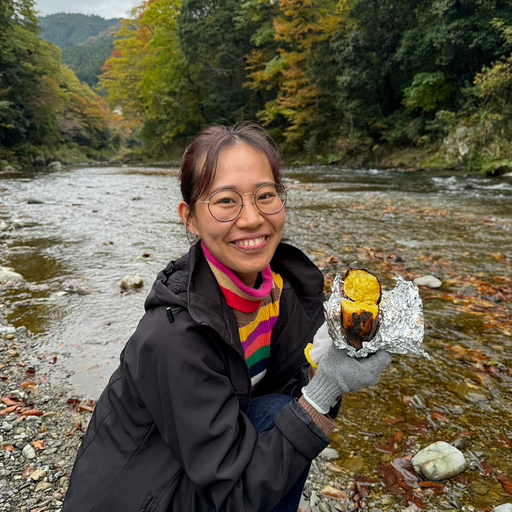
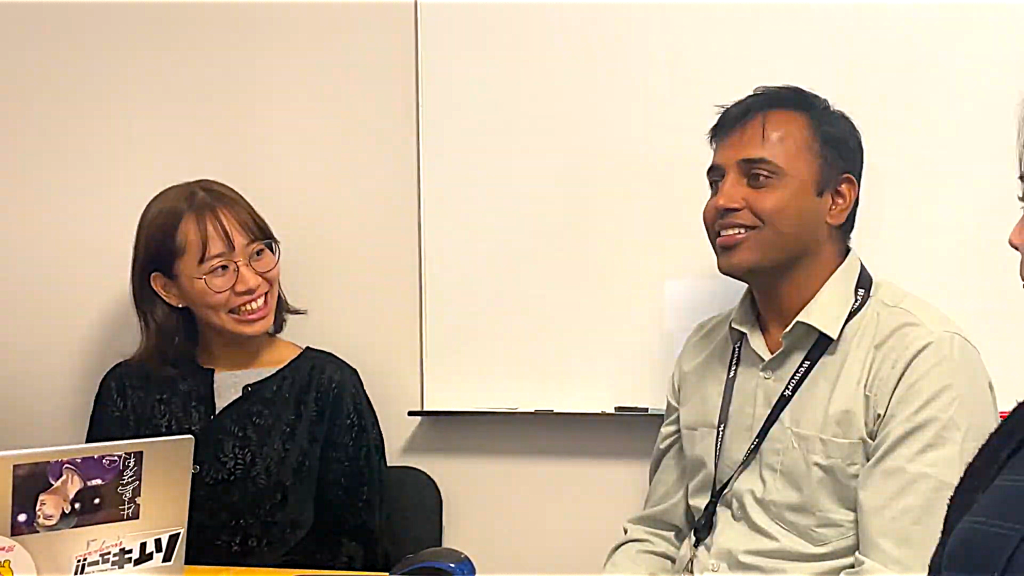
Ayumi Sakuno
From: Japan
Division / Role: Overseas Division — Business Development & System Development Team
Field of Study: Life Sciences(Intestinal Disease & Breast Cancer)
Interview: https://green-carbon.co.jp/en/envol47interview/
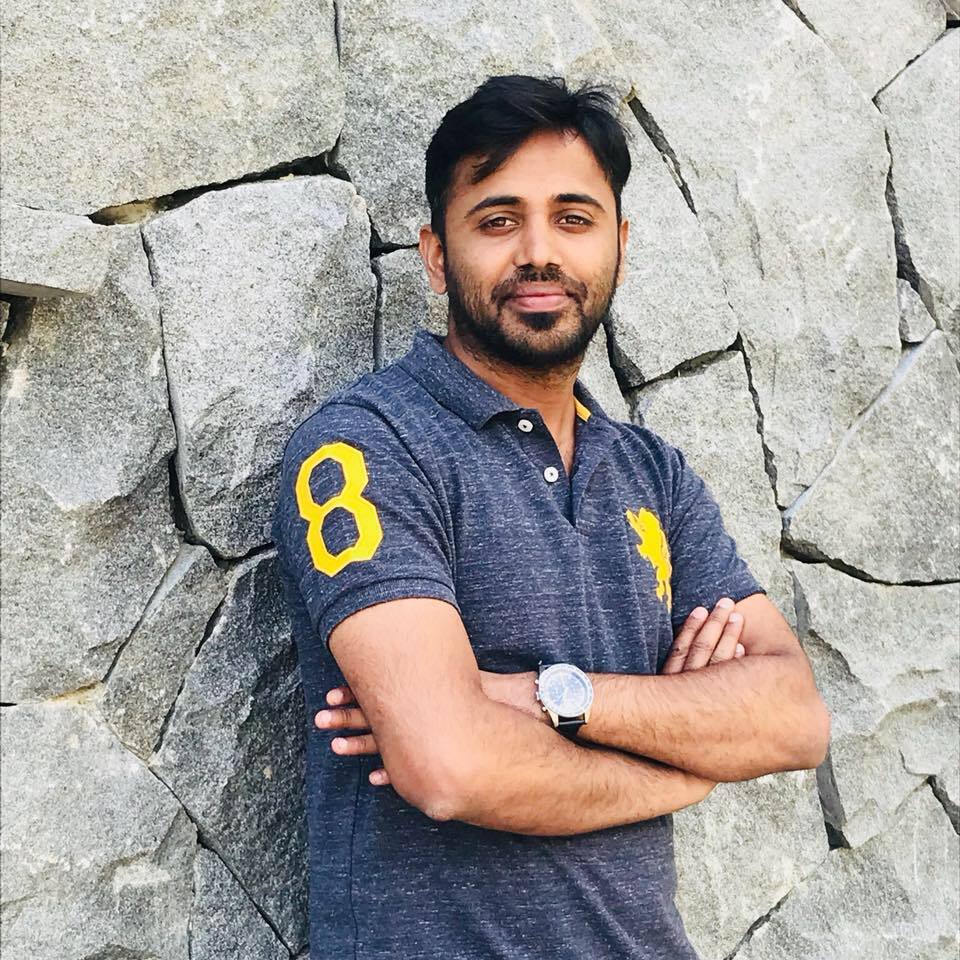
Deepak H V.
From: India
Division/Role: Manager, International Business Division, Investment relations and credit divisions.
Field of study: Life science, (Alzheimer’s Drug development)
Interview: https://green-carbon.co.jp/en/envol28interview/
Akane Ushijima
From: Japan
Division / Role: Domestic Division(Intern)
Field of Study: Agriculture(Blue Carbon)
Watch the video version here (approx. 30 mins).
Chapter 1: Roots — “Landscapes We’ve Seen”
── Tell us about your roots. What scenes or memories from childhood remain vivid?
Farah: “Family connection” in Tunisia
Uh—-so this is on a personal level?
(「Yes, personal level.」)
I’m from Tunisia, in North Africa.
What stands out from childhood is the connection with family.
Even when we live thousands of kilometers apart, we’ve stayed very close. That sense of belonging has always stayed with me.
Elea: A Hometown Wrapped in Mountains and Quiet
I’m from France. I grew up with my parents in a small village surrounded by mountains.
So my childhood landscape is, of course, the mountains—we hiked a lot.
I remember the quiet, and a feeling of living freely, openly.
Ayumi: Japan/America — Time Spent at the Beach and in the Parks
I’m from Japan, but because of my father’s job we moved often within Japan—and also lived in the U.S.
The memories that left the strongest impression on me are the times I spent at the beach and in the parks. I often remember just asking others to join in a game and running around together.
Deepak: The Scent of Soil That Evokes Memories
I’m from India, specifically South India. This region is well-known for its rich culture, diverse population, and religious plurality. While I come from a Hindu family, India is home to almost every kind of religion, all present in significant numbers.
My favorite childhood memories are, I would say the monsoon season. The monsoon is the best part of the year. I still vividly remember the droplets and, most importantly, the smell of the soil and the mud right after the rain falls—a scent I really love.
It’s what always reminds me of home when I go back to India.
Akane: Japan — The Nature That Breathes Within the Urban Landscape
I grew up in Yokohama City, which is a small area within Japan. My childhood memories aren’t necessarily about deep nature, but more about the townscapes, parks, and the view of Minatomirai. That’s what I remember most.
・・・
Farah:
Regarding the smell of rain, I can completely agree with that. I really miss that smell of rain on the soil.
Deepak:
Do you ever catch that same smell where you live now—or when you travel to other countries?
Farah:
Hmm… Recently I traveled a lot this summer, but I rarely found the scent.
Recently, though, when it rained in Tokyo, I caught something close. In Kyoto it felt different, but in Tokyo I thought, 「Ah, this is it.」
Ayumi:
So maybe it’s not about the country but the region?
Farah:
I think it’s the soil.
Ayumi:
I’d never really noticed “the smell of the soil after rain”((laughs).
It’s interesting.
Ayumi:
Did the smell you noticed in India feel different from other places?
Deepak:
No, actually, it is totally different. What I felt is that because, uh, where I grew up, there is a coffee smell which we always have, and the coffee smell itself has a strong influence on the overall scent.
── In your culture, are there any costumes or sayings that reflect a belief in “living in harmony with nature?”?
Elea: The Choice to be “Vegan”
Not necessarily about nature itself, but in France, veganism has become quite common recently. I think it’s part of an idea of “living in harmony with animals” — being mindful of and caring for the environment around us.
Deepak: A Culture of the Heart: Treating Trees with Honor
In India, there’s something similar, maybe more cultural than religious. Traditionally, people used to worship a tree called the peepal tree. The belief was that spending time near it could calm your mind and make you feel better — maybe because of the atmosphere around it, or something it gives off. It’s an old custom, but even now, when you’re near that tree, there’s a peaceful feeling.
| ※ Peepal tree (Ficus religiosa), also known as the sacred fig or Bodhi tree, is considered sacred in India and other parts of South Asia. It is often associated with calmness, longevity, and spiritual awakening, and is believed to purify the air and environment around it. |
Ayumi:
Is that only in India?
Deepak:
I’ve only seen it in India. I’m not sure about other countries.
Farah:
That’s interesting.
Akane: The Sensibility of Living by “Shun”
The word shun came to mind. I’m not sure about other countries, but in Japan, we really value seasonal foods and scenery. Because we have four distinct seasons, the ingredients and landscapes change throughout the year — and we enjoy living in tune with those changes.
| ※ Shun (旬) is a Japanese term meaning “in season” or “at its seasonal peak.” It reflects the idea of appreciating each ingredient or landscape at the time when it’s naturally at its best. |
Chapter 2: Awakening and Action — “When It Became Personal”
── Was there a specific event or turning point when environmental issues became personal for you?
Ayumi Sakuno: The “Reality” Witnessed While Traveling
I travel quite a lot — I think I’ve been to more than 25 countries. And in many of those places, I saw streets and beaches covered with trash. It was really shocking for me, because in Japan, that’s something you hardly ever see. That experience became a turning point — it made me start paying attention to the waste around us, like litter on the road or garbage left by the sea.
Deepak: Memories of a Changing Hometown
Yeah, I can say the same thing about India. Before, there used to be ponds — now they’ve become pools or even buildings. A lot is changing, including the environment. When we think about nature, ten or twenty years ago there were trees everywhere, but now there are just buildings. The waste issue you mentioned is also part of that. Still, many new regulations and policies are being introduced to make our country cleaner, which I think is a good sign.
Farah: Living in a Land of Drought
For me, my country, Tunisia, is one of the places most seriously affected by climate change. Rainfall has been decreasing year by year, and you can really see its impact on agriculture. For example, Tunisia is one of the world’s leading exporters of olive oil, but now the olive yield is going down. It’s not only happening in Tunisia but across the Mediterranean region. It’s not just olives — other crops are also being affected.
When you go to the supermarket, fruits and vegetables are becoming much more expensive than before. That affects people’s daily lives directly. Even in Japan, the price of olive oil has nearly doubled in the past couple of years — that’s also linked to the same climate change we’re facing.
In my city, water shortages have become common. The supply per person isn’t enough, so water is often cut off. That’s why people have long collected rainwater — it’s a traditional practice that helps us survive the dry periods. So, yes, climate change isn’t just an environmental topic; it’s something we live with every day.
Elea: The Disappearance of “Winter Snow”
I think for me, I first noticed climate change when I was a child in France. France used to have very distinct four seasons — especially in winter, there was always snow. But now, I haven’t seen snow in years, even though I used to see it every single year when I was little. You don’t notice it immediately, but one day you realize, “Wait, it’s been years since I’ve seen snow.”
Nowadays, it feels like we only have two seasons — winter and summer. Spring seems to disappear. The weather can suddenly jump from freezing cold to summer heat within days. When I was a kid, summer temperatures were around 25℃ at most. Now they go up to 32 or 33℃. And in winter, it used to be around –1℃ at the coldest, but now it can drop to –5℃ or –6℃ — yet there’s still no snow.
Interviewer:
I’ve heard that in many European countries, houses don’t have air conditioning. Is that true?
Elea:
Yes, that’s true. It wasn’t a problem before because the weather was mild, but now we really need AC — and most homes still don’t have it. It’s also cultural. People believe that if the temperature inside is too different from outside, you’ll catch a cold. So, even in winter, they prefer not to use heating or air conditioning for that reason.
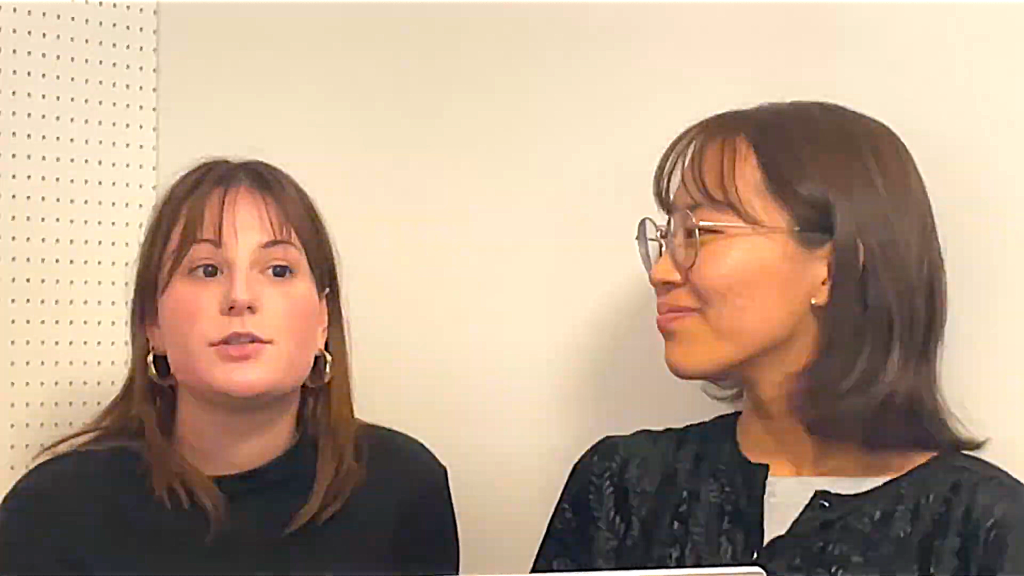
Farah:
I think that’s a difference from Japan. In Japan, people use the same air conditioner for both cooling and heating. But in Tunisia, we use air conditioners only for cooling, and we have separate heaters for winter. Still, I completely agree about temperature changes — in my country, it can now reach 52℃ in summer sometimes.
Everyone:
Fifty-two?!
Farah:
(laughs) Yes, 52°C — in Celsius.
Ayumi:
52°C?! And no AC?!
Farah:
(laughs) No, no, of course we have AC at home!
Interviewer:
Do you think that’s because of global warming?
Farah:
Yes, definitely because of global warming.
In my hometown, traditional houses are made of stone, which keeps them cool in summer and warm in winter. We also design them carefully so the wind can pass through and circulate the air. It’s a way of living in harmony with the climate — something that’s been passed down for generations.
Deepak:
It’s quite similar in India. Even though building styles are changing with modern technology, one thing remains the same — most houses still use tiled roofs. The tiles help reflect heat and keep the house cool, even when it’s extremely hot outside. It’s a simple but effective tradition.
Chapter 3: Identity as Strength — “When Differences Become Power”
── Have you ever had an experience where your background became your strength?
Deepak: The “Flexibility” Taught by Competition
Because I’ve been here for almost thirteen years in Japan. So, maybe, like, since we are from India — and India is very competitive — when it comes to any field, whether it’s exams, studies, or jobs, there’s always competition everywhere. That competitiveness, I think, made me different. It helped me develop adaptability here in Japan.
Being here, I’ve learned to be more adaptive, to cope with people from different countries, and to communicate across different cultures. That gave me more space to grow and to be flexible. I think this adaptability is one of my biggest strengths, something that has helped me grow professionally in Japan — which is, of course, very different from India.
Elea: The Politeness Cherished in France
I think there are actually a lot more similarities between France and Japan than we usually think — for example, in terms of politeness. French people also tend to be very polite and quite strict about manners, just like in Japan. So, it was easier for me to adjust and understand the culture here because I’m already used to that kind of environment.
At the same time, being French often gives me a kind of positive bias — people usually react warmly or think it’s nice that I’m French. I guess that’s a little advantage.
Ayumi: The “Bridge Builder” Connecting Differences
I can’t say it very clearly, but I think throughout my life, I’ve had many experiences communicating and engaging with different kinds of people from many places. So, I kind of understand that everyone has completely different perspectives on things. Maybe my strength from that background is that I can really listen to other people’s opinions. I’m not sure if that’s a “strength,” but I want to be able to connect many people — across departments or backgrounds. That’s something I value.
Farah: Open Hearts and Multilingualism Create Solidarity
I think, coming from Tunisia, we are very welcoming — we love to connect with other people. So that helped me to integrate easily into any community or team. That’s one part of my background.
Also, in my country, at school, we are taught many languages — Arabic, French as our second language because we were colonized by France, English, and even some Latin languages. So, it’s easier for me to communicate with people and clients from different regions. So, yeah, that’s it.
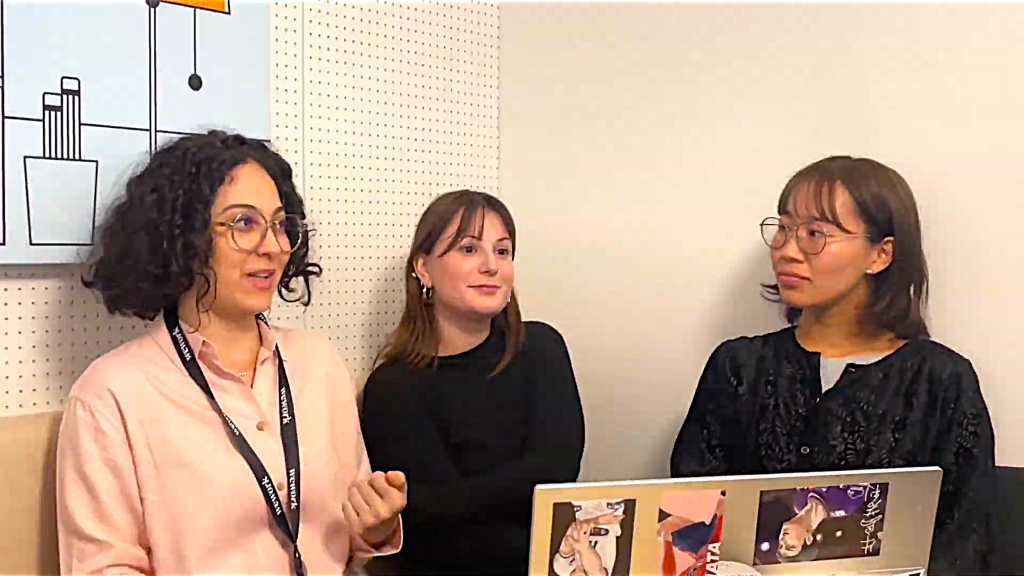
── Are there any special meanings to you, working on researches and projects at Green Carbon? And what’s attractive about working on international projects at GC, if you have thoughts on that?
Farah: The Power of “Empowerment” to Drive Environmental and Social Change
Um, one of the things I really like about working at Green Carbon is that we have projects related to the JCM — the Joint Crediting Mechanism — which is a global framework that helps developing countries achieve their NDCs through climate finance, capacity building for farmers and local stakeholders, and technology transfer.
This is something very personal to me, because it’s about helping and empowering people to create a positive impact — not only on the environment, but also on society.
The value and the impact we generate here are genuinely positive, and that’s what attracted me to Green Carbon. In fact, that’s one of the main reasons why I decided to come to Japan in the first place.
| ※ JCM (Joint Crediting Mechanism): An international framework in which Japan and partner developing countries jointly implement greenhouse gas (GHG) reduction or removal projects, and share the resulting emission reduction credits between both countries. The scheme is led by the Government of Japan, primarily through the Ministry of the Environment and other related ministries. ※ NDC (Nationally Determined Contributions): National greenhouse gas reduction targets submitted by each country to the United Nations under the Paris Agreement. Each country determines its own targets and has the obligation to report and update them periodically on an international basis. |
Elea: Learning in Diverse Field Environments
Specifically, I’ve always wanted to work in the field of economics and sustainable development. When I was in France, I was working in the agricultural sector — since France is a very big agricultural country — but now, I’m really happy to be able to work on similar themes in developing countries. The way projects are carried out is different from France, so I’m learning a lot from this experience. It’s very interesting and such a great learning opportunity.
Ayumi: The Cycle That Supports Human Well-being
For me, my personal goal is to make a lot of people happy all over the world. So, I think that working at Green Carbon — with so many countries and nature-based projects — can really help not only the environment, but also people. These projects have social impacts too, like supporting farmers and, in the end, even benefiting consumers like us.
Deepak: Global Standards That Grow the Self and the Organization
I think this is a very important question.
What attracts me the most about working on international projects is that there are always two sides — external and internal.
Externally, we go out and work with people from different countries to execute the projects. Through that, we learn about their cultures and how to adapt our projects or products to meet their needs and expectations. I work in the Investment Department, so I often communicate with some of the top global companies — top one, top two in the world — and we have to raise our standards to match theirs.
Internally, we then bring that knowledge back to our team, sharing what we learned to make our organization better, both personally and professionally.
And as Ayumi mentioned, sustainability is at the core of what we do. It’s not just about business — we are contributing to the betterment of society. I feel happy that most of my professional life is dedicated to that purpose.
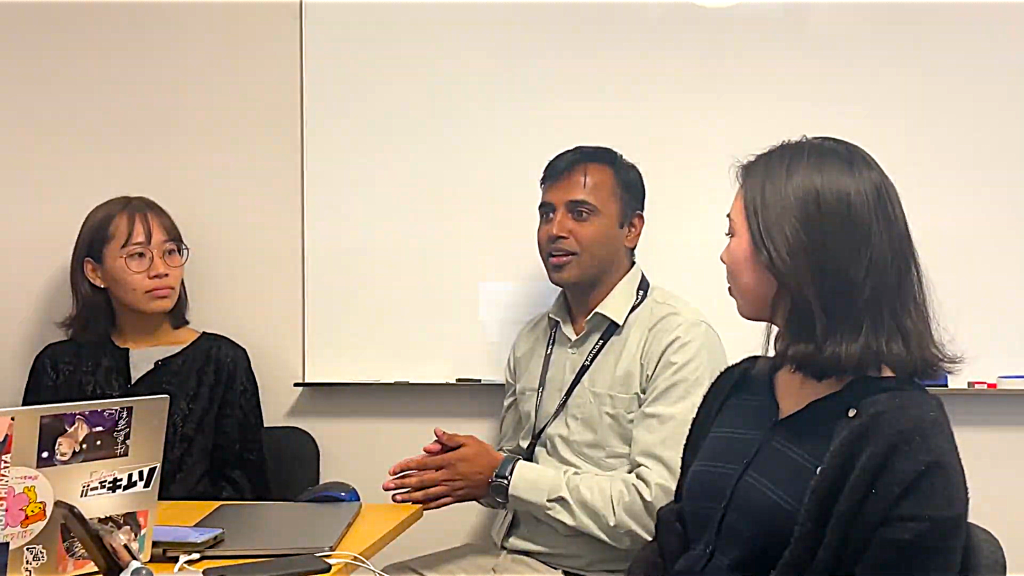
Akane: Learning with Real-World Impact
For me, I’m really glad that I can work on environmental and agricultural issues here in Japan. I’m also a university student, and my research topic is blue carbon. So, working at Green Carbon is really helpful for me to understand more deeply about carbon credits and how they actually work in real projects.
| ※ Blue Carbon (CO₂ absorption by marine ecosystems): Refers to the carbon dioxide absorbed and stored by marine and coastal ecosystems such as seagrass meadows, mangrove forests, and salt marshes, as well as the category of carbon credits generated from these ecosystems. In contrast to “green carbon,” which is derived from terrestrial forests, blue carbon is gaining attention as an important nature-based solution (NbS) for climate change mitigation. |
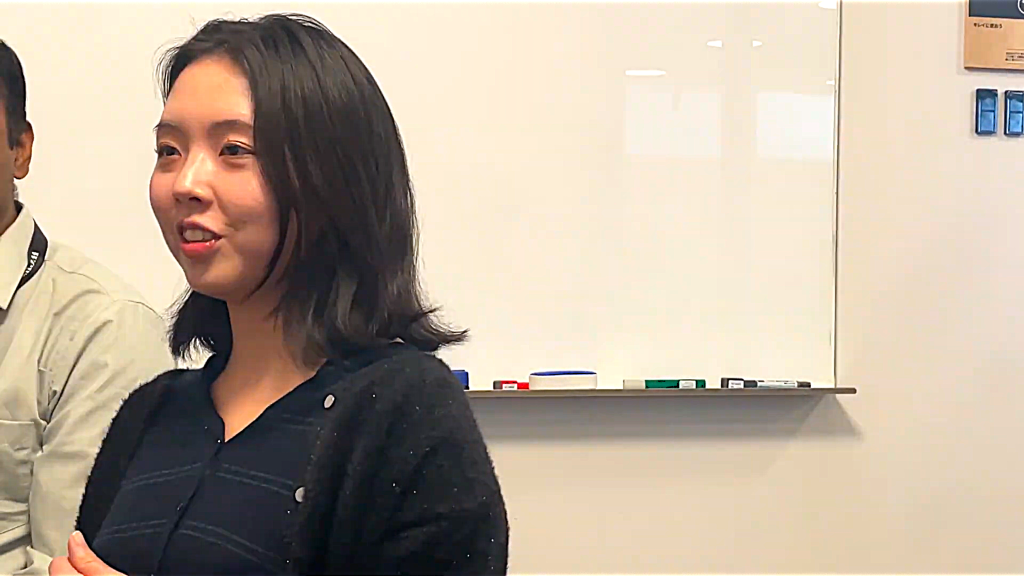
Chapter 4: Message — “To You Who Will Work Across Borders”
── If you could give advice to teenagers around the world— now that you’re working across borders — What would you say?
Farah: Believe in Your Dream and Dare to Step Out
No matter what happens, don’t give up on your dream. Always think big — don’t think small of yourself. You can do amazing things if you believe in yourself, and you should believe in yourself. Step out of your comfort zone and be free.
Elea: One Step Can Change Your Life
If you want to go abroad, I know it can be really scary, especially if you’re going somewhere far away. But take that step — it’s going to be one of the best experiences of your life. You’ll learn a lot about yourself and about others, and it will help you grow both personally and professionally. So, if you ever get the chance, take it — do it for yourself.
Ayumi: Traveling Opens Up Your Perspective
Mine is kind of similar. I want to tell people to travel around the world, see many different places, meet different people, and think about a lot of things. Through those experiences, you’ll find what you really want to do — your dreams, and the issues you want to solve in life. I think experiencing a lot is one of the most important things I want to share.
Deepak: Never Stop Dreaming, Keep Learning with a Wide Perspective
When I came here, I was 22, and at that time, no one really wanted to discuss about dreams or ambitions. It was quite a difficult time to take a chance — especially being in Japan. But it’s not only about Japan; it’s the same in many countries. If you want to explore, even for Japanese people, it can be challenging because many are quite shy about that.
In India too, because of the competitiveness, people sometimes hesitate to take risks. And due to some practical reasons — what do you call that, maybe “utility” — they may not be able to make it. But as we’re discussing, we should not stop dreaming. We have to step out of our comfort zones and try to make things possible.
Apart from that, as we’ve been talking about sustainability — especially in developing countries — we often think about traditional jobs like engineers or doctors. But nowadays, sustainability has become a new and exciting field. You can gain attention and create new opportunities in it. In studies, too, you shouldn’t think only from one side, like just chemistry or biology. Now, sustainability has become more important than ever, so I’d say: learn more about it, and keep trying new things.
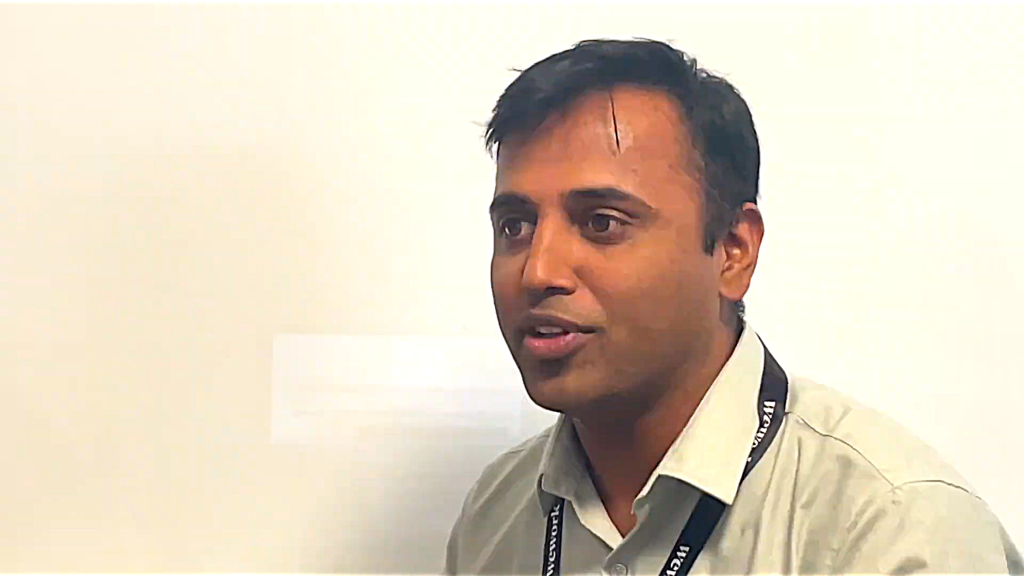
Akane: Be Fearless in Pursuing What You Love
I actually work in the domestic department, so it’s not really “cross-border,” but I got the chance to work here thanks to my friends and my studies in agriculture at university. So, I’d like to say — try many things you love. Don’t be afraid, and grow through your connections with people.
── Have you ever felt the cultural diversity while working at Green Carbon? What did that experience tell you about GC’s culture?
Akane: Different, Yet Sharing the Same Goal
Actually, as I work in the domestic department, I hadn’t really communicated with many people from different countries before. But here, I got the chance to talk with everyone, and I felt that even though we all come from different backgrounds, we work together toward the same goal. I think that’s the culture of GC.
Deepak: Strength Like a Family
First thing is, uh, diversity, as already mentioned. We already have members from more than ten countries, and we all come from different cultures. The most important thing is not just the job itself — what makes the job interesting is the people around you. And in GC, that is the best part.
It’s not only about project work. Any kind of support you need — from any team — people are always happy to help you and help you grow. It’s about personal growth as well as professional growth. At GC, you can build your own career, set your own goals and dreams, and actually achieve them.
Apart from that, I really feel that work shouldn’t just be about “working” — not just for money or financial reasons. Work should make you happy as well. Even though we have flexible working styles, I still prefer to come to the office to meet my friends. That makes us more connected internally. It feels like a family, not just friends.
That’s the most important part of what I feel about GC — and I really believe this kind of culture is something every company should have.
Ayumi: Creativity and Potential in Diversity
As you mentioned, there are a lot of people working around us from many different countries. So, I think it’s really helpful to turn one idea into many different ways. And I love meeting everyone and just talking at the office. Also, the events we have, like Cultural Night, are amazing — I think those kinds of events wouldn’t be possible without all the members we have at Green Carbon right now. I believe there’s a lot of potential in the company, because if we can really dive deeper into everyone’s cultures, thoughts, and perspectives, our projects can become even more diverse.
| ※Culture Night: An internal event at Green Carbon where multinational team members share their own cultures, food, and values with one another. For example, during the India Culture Night, members enjoyed authentic Indian cuisine while exchanging stories about daily life and traditions in India. ☞ [Green Carbon official LinkedIn post (India Culture Night)] |
Elea: Enjoying Differences and Learning from Each Other
What I’ve noticed is that I haven’t had the chance to work with everyone, but I’ve worked especially with interns and people from developing countries. I found it really interesting, because everyone works in different ways — they all put in the same effort, just in their own style. And I think it’s amazing that we can all communicate so well. None of us speak our first language — actually, I haven’t even spoken French with Farah — but we still communicate very well. I think that’s a really good thing. It’s not something you think about every day, but sometimes you just stop and go, “Oh wow.” You learn a lot about different cultures and people’s ways of working. It’s a great experience.
Farah: Respecting Differences and the Circle of Empathy
About cultural diversity — even though we’re all very different, I feel there’s a lot of respect among everyone. People respect each other’s beliefs, religions, food restrictions — everything. For example, during the Indian Cultural Night Event, they made sure to accommodate everyone’s needs. That kind of respect and acceptance of diversity is something really special.
Also, communication here is very flat — there’s no hierarchy. It’s very easy to approach any member of the company. Even if there’s a bit of a language barrier, we make it work — using Google Translate or anything else.
And as Deep mentioned, there’s a strong sense of belonging here. Your colleagues are not just coworkers, they’re friends. We’ve built really strong relationships. If you have a problem or feel confused about something, you can always reach out, and everyone will help you — always with a smile.

Closing
What surfaced through this dialogue was not the difference in starting points, but the alignment in where we’re headed—each person speaking, in their own words, about why they face environmental challenges.
There you’ll find Green Carbon’s open culture of challenge, relationships that learn while respecting difference, and a steady mission: to contribute to the planet’s future.
On the new frontier of carbon credits, we hone our expertise, return value to society, and build a better planet—together.
For those who carry the same ambition, Green Carbon will remain a field where your possibilities expand.
May this conversation be the spark for your next step.